

We Stand with Refugees
June 20 is World Refugee Day: Until Everyone Is Safe, We Show Up
As World Refugee Day is observed, ShelterBox USA reflects on the resilience and strength of people forced from their homes by conflict, violence, and the impacts of climate change. Today, an estimated 117.8 million people around the world have been displaced, underscoring the urgent need for solidarity and support.
This year’s World Refugee Day theme, Solidarity with Refugees, carries a simple but powerful message: Until everyone is safe, we show up.
ShelterBox USA stands with refugees and displaced families around the world. As a humanitarian relief organization supporting people affected by conflict and disaster, we believe solidarity means more than words. It means standing alongside families during their darkest moments and helping them find safety, stability, and hope for the future.
Our commitment includes providing essential aid such as emergency tents, shelter repair kits, solar lights, water filters, hygiene kits, mattresses, blankets, and complete cooking sets.
From Gaza and Ukraine to Sudan, Chad, Cameroon, and beyond, ShelterBox USA supports refugees, internally displaced people (IDPs), and communities uprooted by conflict. Many families are seeking safety in neighboring countries, while others remain displaced within their own borders. Wherever they are, we provide shelter and essential aid to help people weather the crisis and begin rebuilding their lives.
Because until everyone is safe, we show up.
Donate to Support RefugeesMariatou’s Story
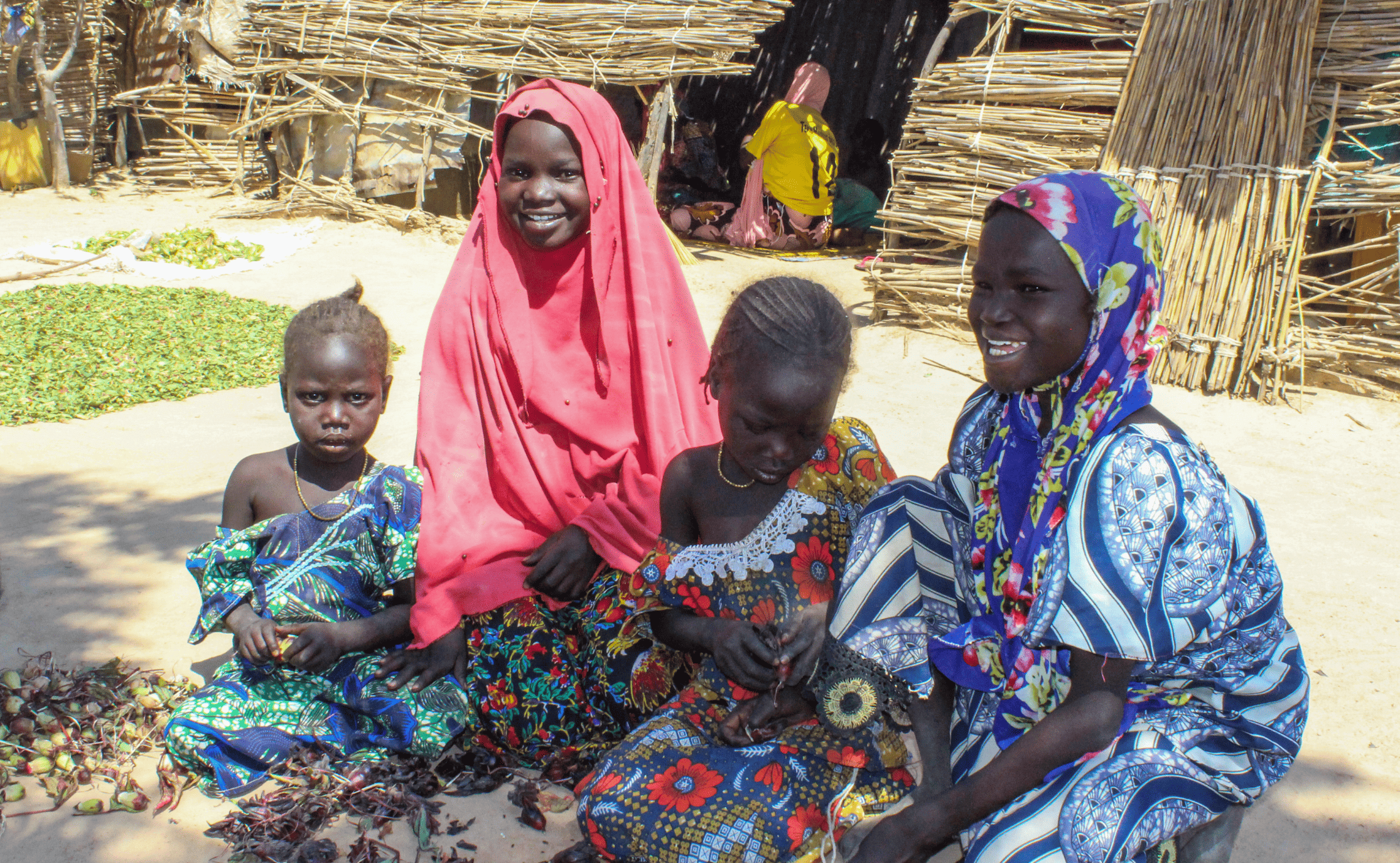
Mariatou was forced to flee violence in Nigeria and seek safety in neighboring Cameroon. After arriving in Minawao Refugee Camp with her family, she began rebuilding her life with the help of ShelterBox and local partners. Despite the challenges of displacement, Mariatou has shown remarkable resilience, creating a new home and finding hope for the future while ensuring her children have a safe place to grow and thrive.
What is the difference between a refugee, migrant and asylum seeker?
Clear language matters. Especially when we are talking about people forced from their homes.
The terms refugee, migrant, and asylum seeker are often used interchangeably. But they do not mean the same thing. Each term describes a different situation, with different rights and levels of protection.
Understanding these differences helps us communicate with clarity and respect. It also helps ensure people receive the protection they are entitled to.
This guide explains each term simply and introduces another important group: internally displaced people (IDPs).
Why the language we use matters
These are not just technical definitions. They influence how people are treated, how they are understood, and what support they can access.
A person recognized as a refugee has legal protection under international law. An asylum seeker is still waiting for that recognition. An internally displaced person may have very limited protection at all.
At ShelterBox, we work with communities affected by disaster, conflict, and the climate crisis. Many of the people we support have been forced from their homes. Using clear, accurate language helps reflect their experiences with dignity.
What is a refugee?
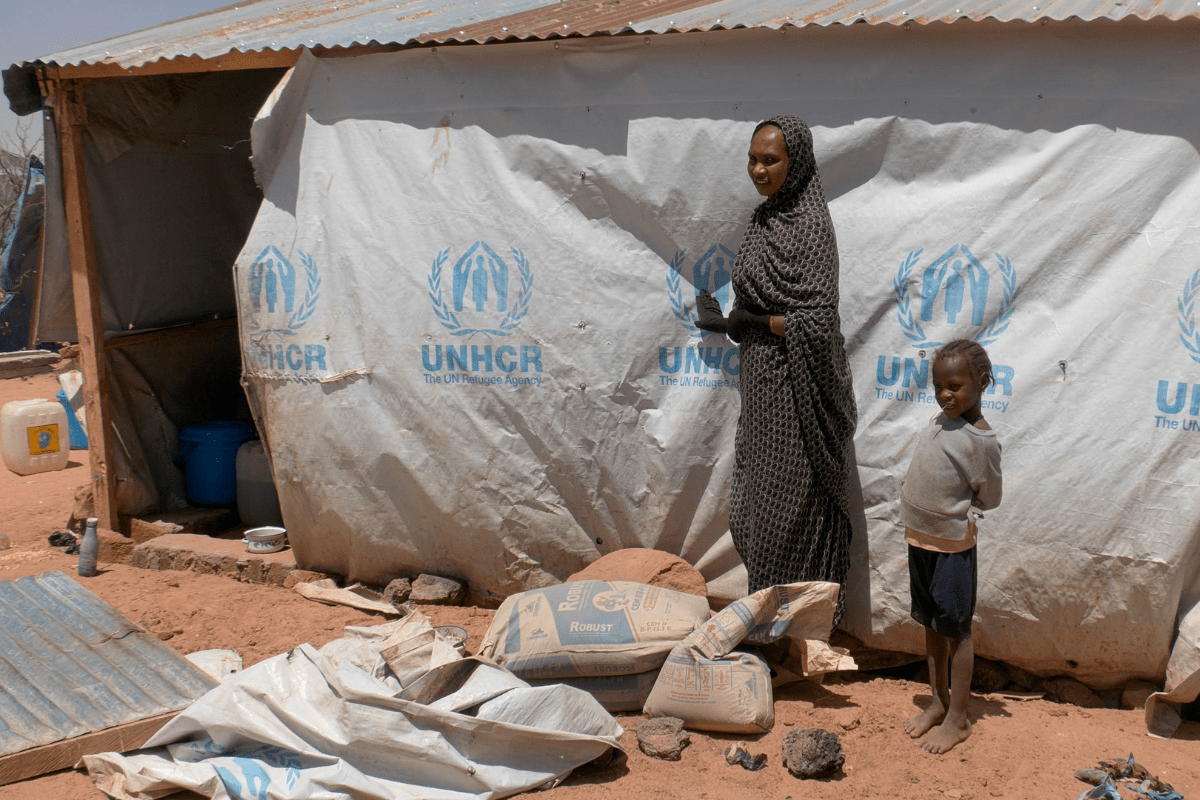
A refugee is a person forced to flee their own country and seek safety in another country. They are unable to return to their own country because of feared persecution as a result of who they are, what they believe in or say, or because of armed conflict, violence, or serious public disorder (UNHCR).
What defines a refugee is not the act of leaving but the fact that returning home is not safe. Refugees have crossed an international border and are recognized under international law as needing protection. This gives them specific rights, including the right not to be forcibly returned to a country where they face serious harm – a principle known as non-refoulement.
For many people, the decision to flee happens suddenly. It often means leaving behind homes, livelihoods, and belongings, with no clear idea of when, or even whether, they will be able to return.
Mona’s Story
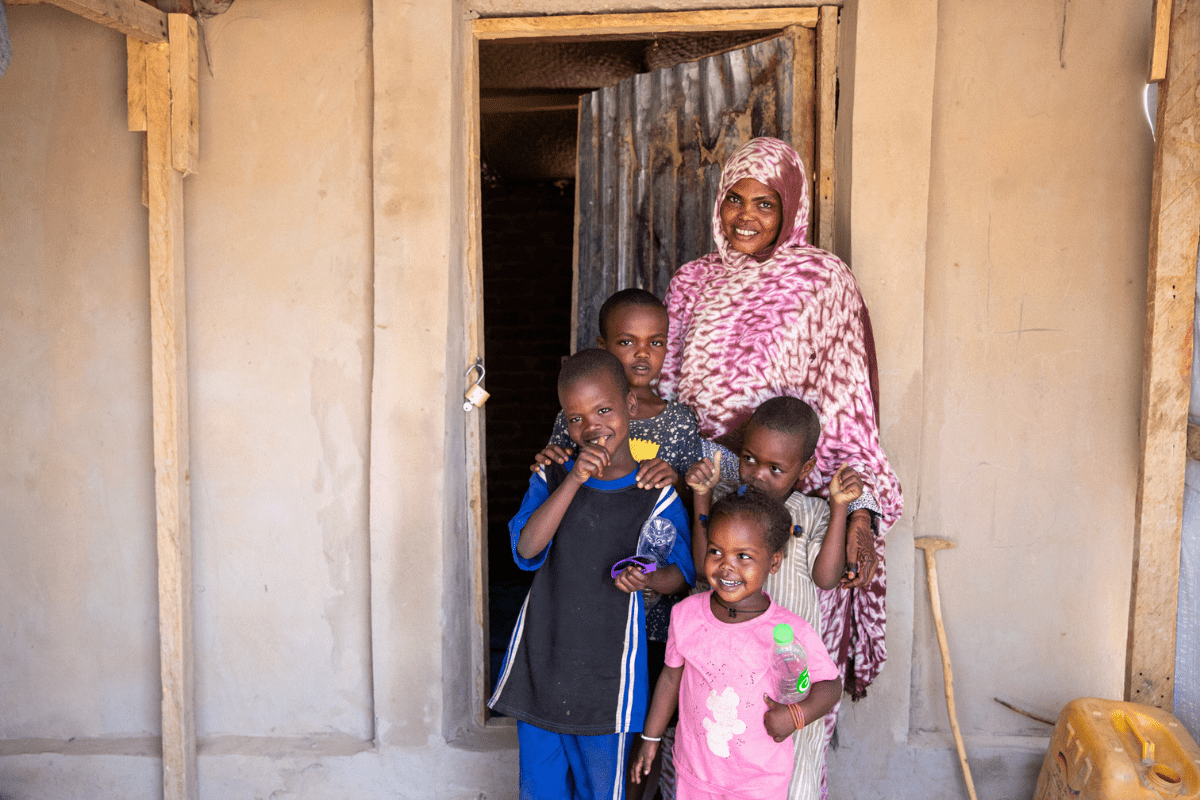
When conflict in Sudan forced Mona and her family to flee, they crossed into neighboring Chad with very little. At first, they lived in a temporary shelter, where conditions were difficult. Extreme heat, fire risks, and insecurity shaped daily life in the refugee camp.
With support from ShelterBox and Help-Tchad, Mona and her family received a more secure shelter. She said:
“When I saw the house, I was so happy. I didn’t believe I would have a house. Now I am protected from the rain, the wind, fires, and thefts.”
For Mona, like many refugees, safe shelter is the first step towards rebuilding life after displacement.
Read Mona’s full story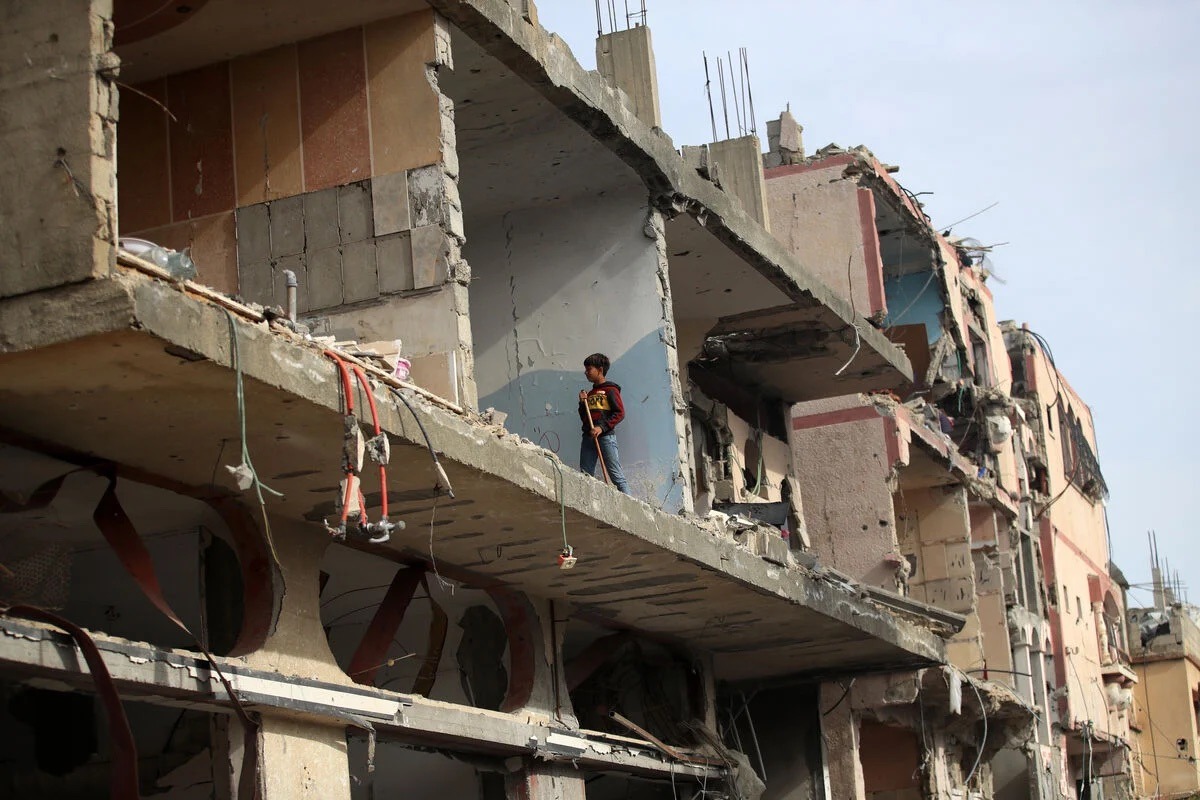
What is an asylum seeker?
An asylum seeker is someone seeking international protection in another country, whose claim for refugee status has not yet been decided (UNHCR).
The key difference is that an asylum seeker is still in a process. Their situation is being assessed, often over a long and uncertain period, to determine whether they meet the definition of a refugee.
Some asylum seekers are granted refugee status. Others may not, depending on how their claim is evaluated.
Every refugee was once an asylum seeker. But not every asylum seeker becomes a refugee.
What is a migrant?
The term ‘migrant’ is not defined under international law. It is a broad term used in different ways depending on context.
Generally, a migrant is understood to be any person who moves away from their usual place of residence, whether internally or across a border, and regardless of whether the movement is ‘forced’ or voluntary (UNHCR).
Unlike refugees, migrants are usually not fleeing immediate danger or persecution. People migrate for many different reasons: work, education, family reunification or the prospect of a better quality of life. In most cases, they can return home safely if they choose to.
This is the key distinction between migration and forced displacement: one is generally a choice, the other is driven by necessity.
In reality, people on the move often include a mix of migrants, refugees and asylum seekers. These groups may travel along the same routes, but their situations and protection needs are different.
Migration has always been a normal part of human life. It becomes a different issue when people are forced to move because staying is no longer safe.
What is an internally displaced person (IDP)?
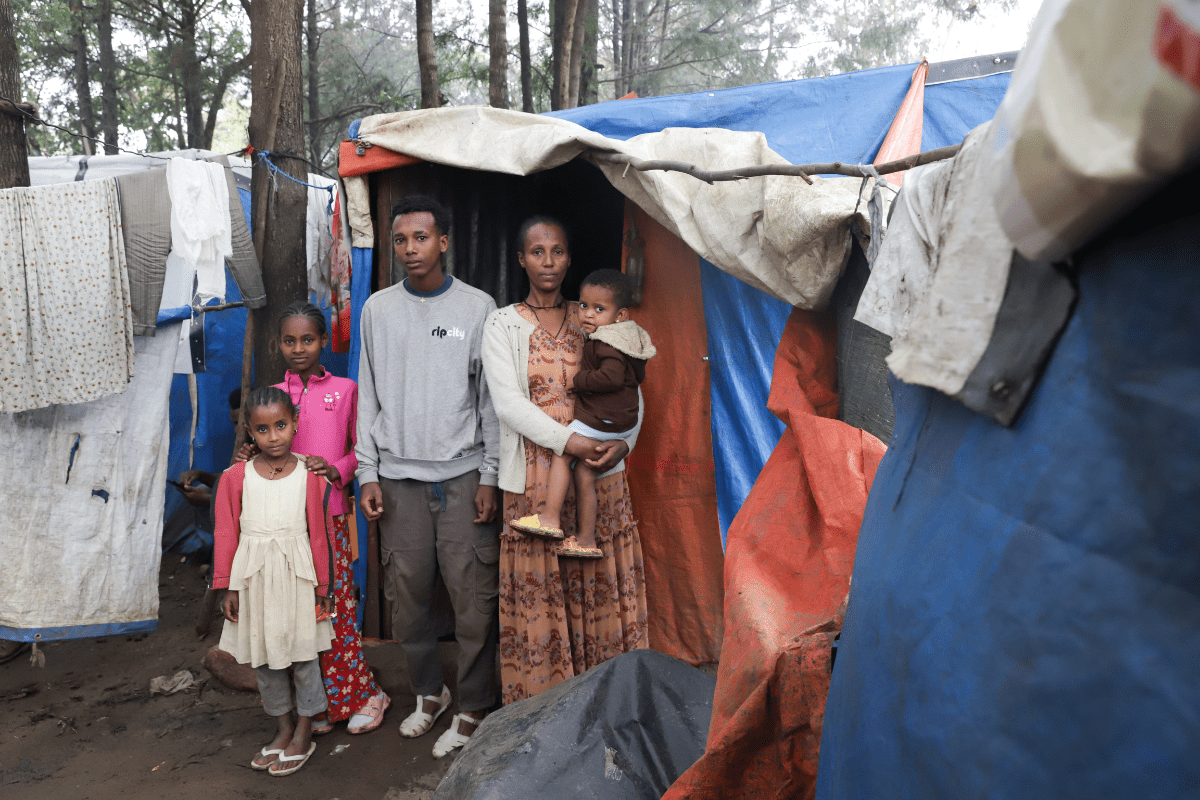
An internally displaced person (IDP) is someone who has been forced or obliged to leave their home or places of habitual residence… but who has not crossed an internationally recognized state border (UNHCR).
They may have fled for the same reasons as refugees, including conflict, violence, disaster, or the climate crisis, but they remain within their own country.
This distinction matters. Because IDPs remain within their country, they do not have the same specific international legal protections as refugees. Responsibility for their safety rests with their own government, which may not always be able, or willing, to provide effective support.
This gap in protection makes IDPs one of the most vulnerable groups of people in the world, facing significant risks and unmet needs. Globally, IDPs make up the largest group of forcibly displaced people.
Umm Ismail’s Story
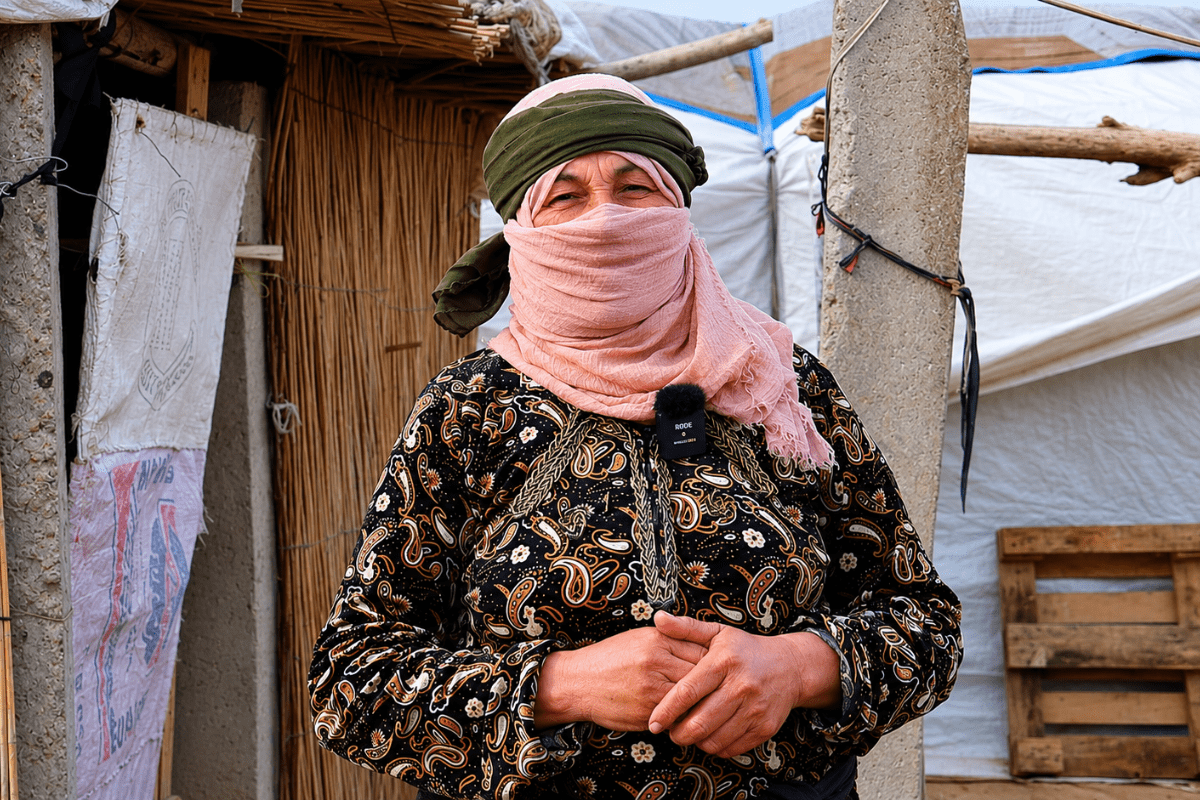
Conflict forced Umm Ismail and her family to flee their village and home. Together, they made their way to an informal displacement camp in rural Syria – nearly seven years ago. Since then, they have faced immense challenges, struggling to build a new life and protect their fragile shelter from the harsh winter winds. Umm Ismail says:
“Our situation in the camp is very bad, especially in winter. We are surrounded by mud, and the wind tears our tents apart.”
Support eventually arrived through ShelterBox, and partner organizations Bahar and Relief Aid. Her family received mattresses, blankets, and tarpaulins to strengthen their shelter.
For families like Umm Ismail’s, emergency shelter is essential to staying safe and coping with life in displacement.
Read Umm's Full StoryKey differences at a glance
The table below summarises the key differences between a refugee, migrant, asylum seeker and internally displaced person (IDP).
| Forced to move? | Crossed a border? | Formal legal protection? | |
| Refugee | Yes | Yes | Yes, under international law |
| Asylum Seeker | Yes | Yes | Pending, claim under review |
| Migrant | Usually no | Usually yes | Under home country’s protection |
| Internally Displaced Person (IDP) | Yes | No | Limited, depends on own government |

Why are people forced to leave?
People do not leave their homes lightly. Displacement is often the result of sudden or escalating crises.
Conflict can make entire areas unsafe, forcing families to flee with little warning. Disasters, such as earthquakes or flooding, can destroy homes and infrastructure. The climate crisis is increasing the severity of these events, making recovery even harder.
Loss of livelihoods also plays an important role. When crops fail, livestock are lost, or jobs disappear, people may have no safe way to support themselves or their families.
For many of the people we work with, displacement is rarely a choice. It is a response to circumstances that leave no viable alternative.
What happens after people are displaced?
Leaving home is only the beginning. Rebuilding life after displacement takes time and support.
People may face uncertainty around where they will live, how they will earn an income, or whether they will be able to return home. For many refugees and displaced people, families can become separated, and access to education and healthcare can be disrupted.
At the same time, people show resilience. Communities adapt. Many begin to rebuild, even in difficult conditions.
How ShelterBox supports displaced communities
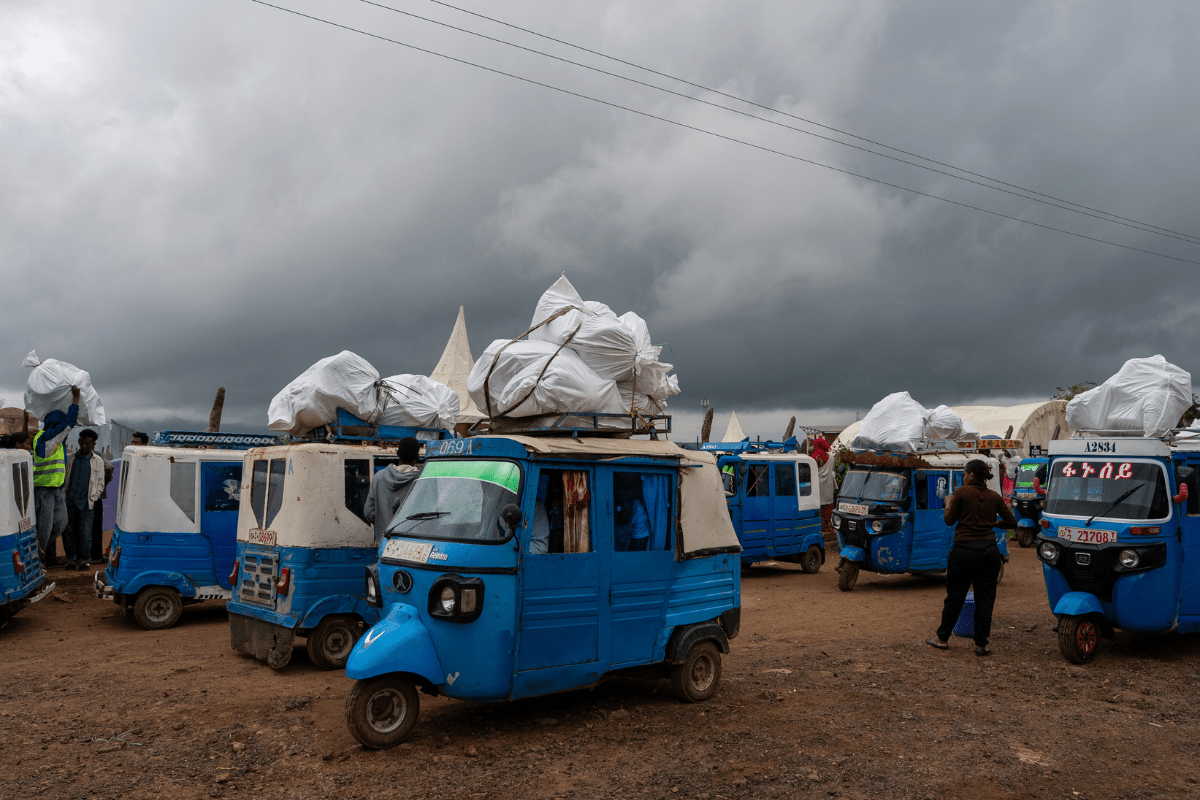
ShelterBox provides emergency shelter after disaster. For refugees and displaced communities, a safe place to live is often the first step towards recovery. We work with communities affected by disaster, conflict, and the climate crisis to support them in the early stages of rebuilding.
We provide shelter, essential household items, and the tools people need to repair or rebuild their homes. Our approach is practical and collaborative, shaped by what communities tell us they need most.
Shelter is more than a structure. It is the foundation for stability, safety, and recovery.
Frequently asked questions
No. An asylum seeker is someone waiting for a decision on their claim for protection. A refugee is someone whose claim has been assessed and accepted. The process of becoming a refugee begins with being an asylum seeker.
Yes. If their claim is successful, they are granted refugee status and the legal protections that come with it.
Both have been forced to flee. The difference is whether they have crossed an international border. Refugees have; IDPs have not. That distinction determines which legal frameworks and protections apply to them.
Crossing a border is not always possible. People may be unable to travel safely, may not have the means to do so, or may choose to stay close to their homes in the hope of returning. These people are internally displaced.
The number fluctuates, but IDPs consistently outnumber refugees globally. The UNHCR and the Internal Displacement Monitoring Center (IDMC) publish up-to-date figures. There were 67.8 million internally displaced people at the end of June 2025, according to the UNHCR.
Staying informed is an important first step. Sharing accurate information helps challenge misconceptions. Supporting organizations that provide emergency shelter and essential aid is another way to make a practical difference.
