Since April 2023, the conflict in Sudan has forced millions of people to flee their homes, creating one of the largest humanitarian crises in recent years. Families escaped with little warning, taking only what their hands could carry, seeking safety across the border in neighboring Chad.
In Eastern Chad, refugee and returnee communities were quickly established. Families were initially provided with emergency shelters and basic aid items to help them survive the immediate crisis.
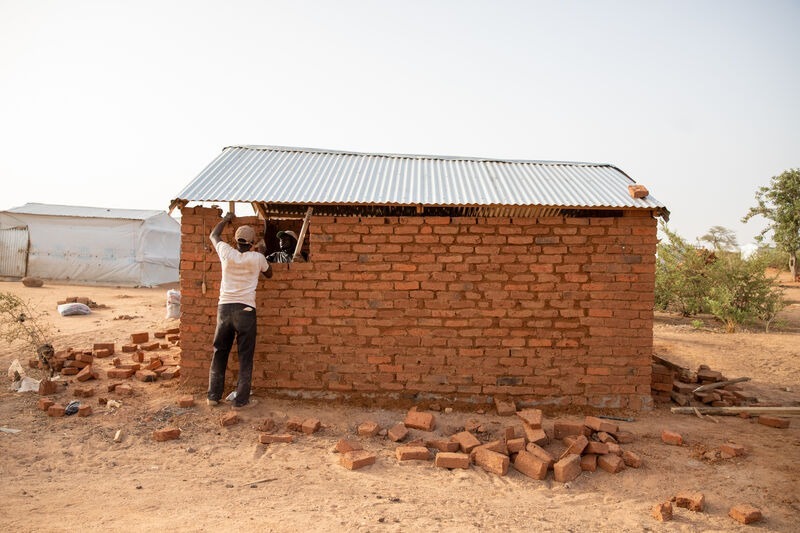
ShelterBox, alongside our local partner Help-Tchad, has since been supporting families by upgrading these emergency shelters into semi-durable homes – providing a safer, more secure foundation on which people can begin to rebuild their lives.
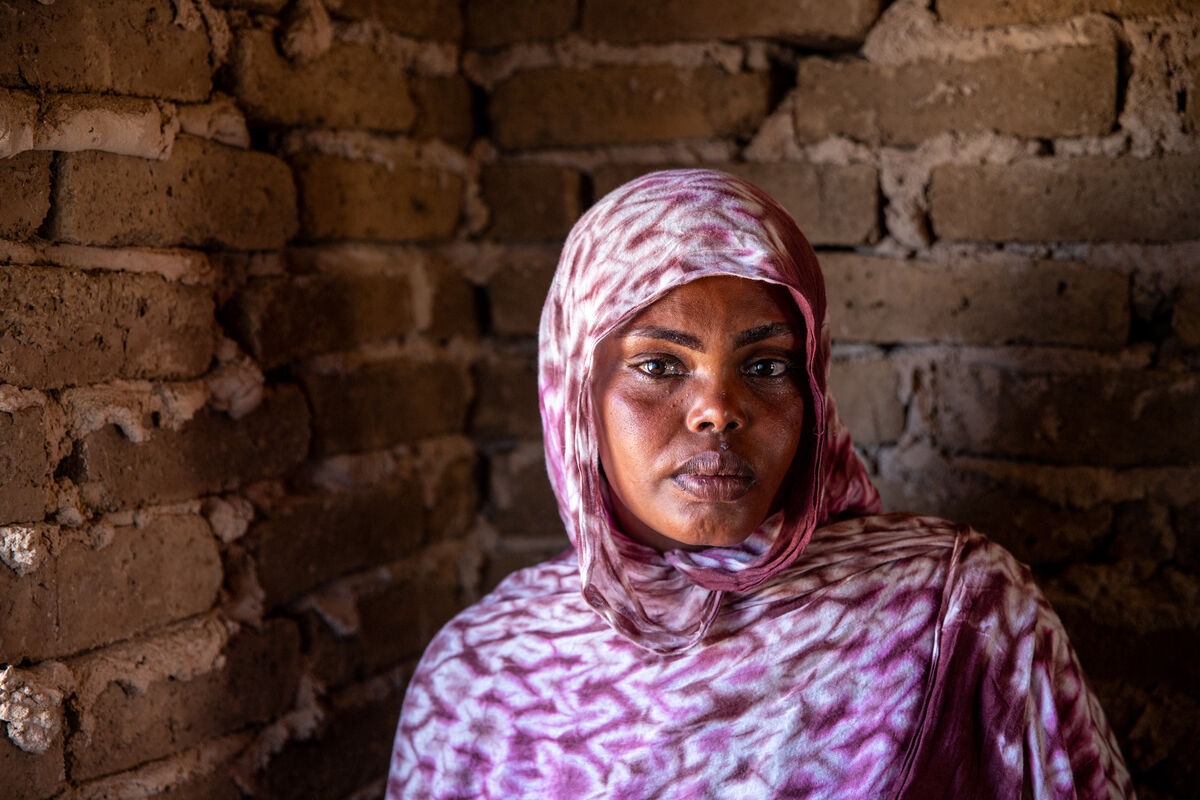
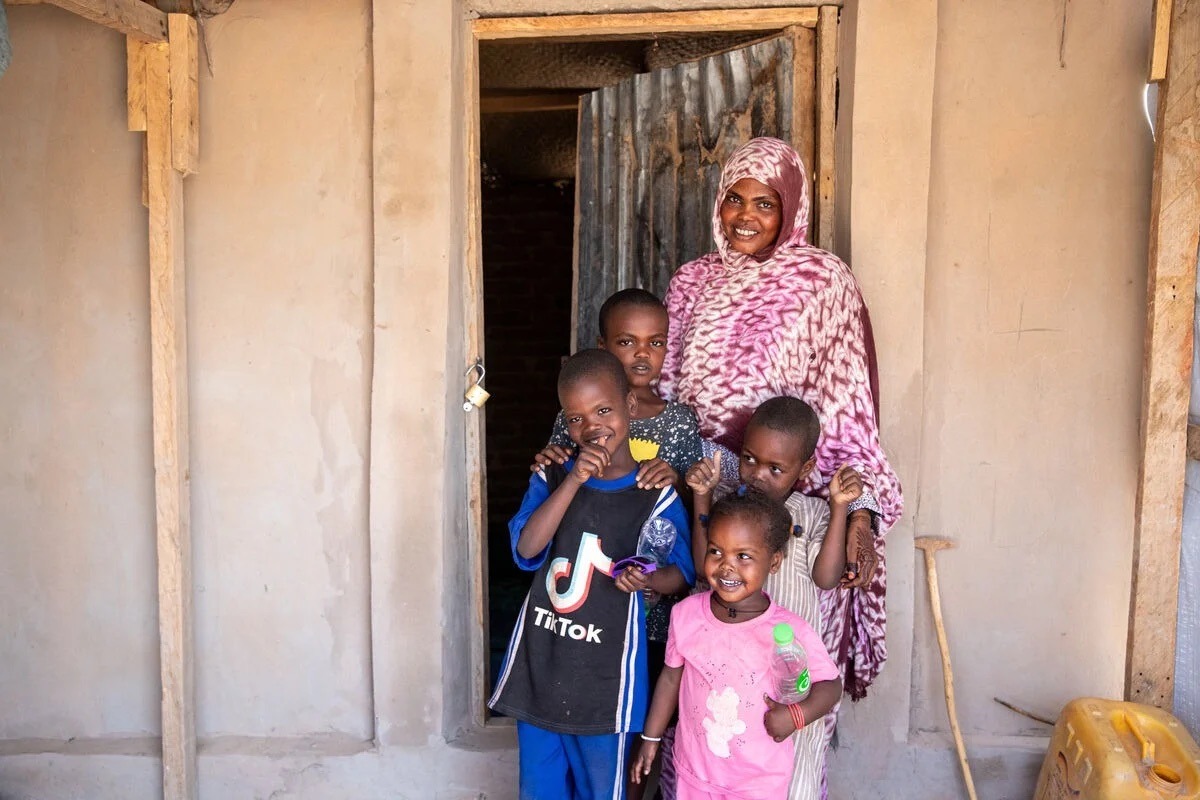
During a recent ShelterBox deployment, our team met Mona. She kindly took the time to sit with us and share her story — from her life in Sudan, to her journey into Chad, and what having a proper shelter now means for her and her family.
Leaving Sudan
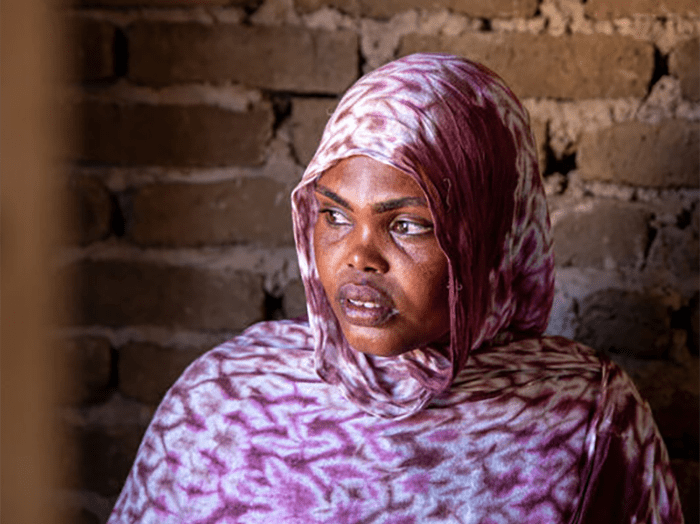
Before the conflict, Mona had been studying and working. “In Sudan, we had a good life, unlike the one here. I was studying, and I had almost six certificates, and I was working.”
When fighting broke out, everyday life became dangerous almost overnight. “When the conflict started, for three months, we couldn’t even leave our homes. The gunfire would hit our houses.”
Armed groups moved through neighbourhoods, threatening families and creating fear, particularly for women and girls.“ Some criminals came to our homes to mistreat men and harass beautiful women.”
The violence took a devastating toll.
“One day, my daughter was hungry but couldn’t get out because there was gunfire everywhere. We lost many of our loved ones.”
Eventually, Mona and her family fled Sudan, crossing into Chad with little time to prepare.
Life in the camp
In Chad, Mona’s family was settled in a rural camp set up by the International Organization for Migration (IOM). While the emergency shelter provided immediate protection, daily life remained challenging and insecure.
“Often, there are people with camels who come to harass us during the night. Personally, it happened to me during the day.”
Mona describes encountering armed individuals inside the camp and recalls how other women and girls were attacked. “I saw armed people… Some girls came to my house saying that their phones had been stolen.”
The stress of displacement and violence also affected Mona’s health. “After the war, I was sick. I had mental problems. I forgot very quickly.”
Thankfully, Mona was later able to access psychological support. “I met a psychologist. They gave me treatment. Otherwise, I would lash out at my children without realising it. Now I’m fine.”
Living with fire, heat, and fear
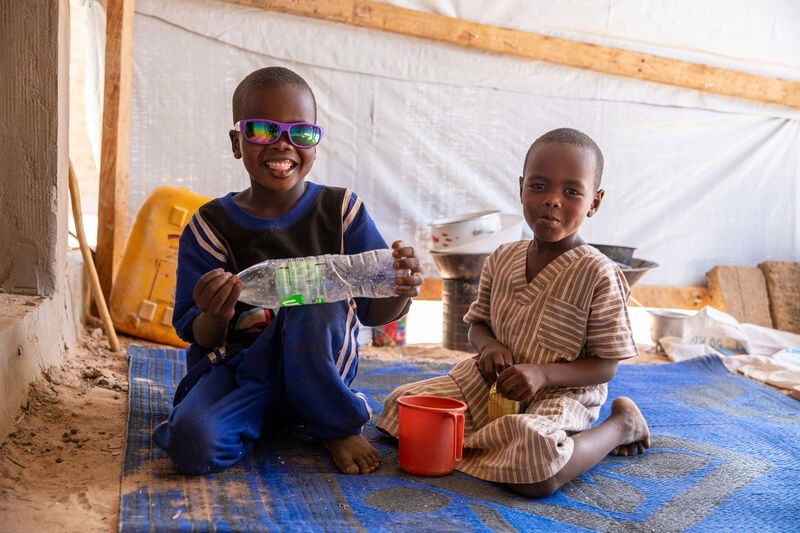
Like many families in the camp, Mona’s first shelter was made from lightweight materials. In Eastern Chad’s hot, dry climate, this made fire a constant and frightening risk.
“Sometimes there’s a fire, we don’t know where it’s coming from,” Mona says. “The children see the fire first and say, ‘Mom, there’s a fire.’”
Fires can spread quickly through the camp, and fear spreads just as fast. “We are afraid of the fires.”
A place that feels like home
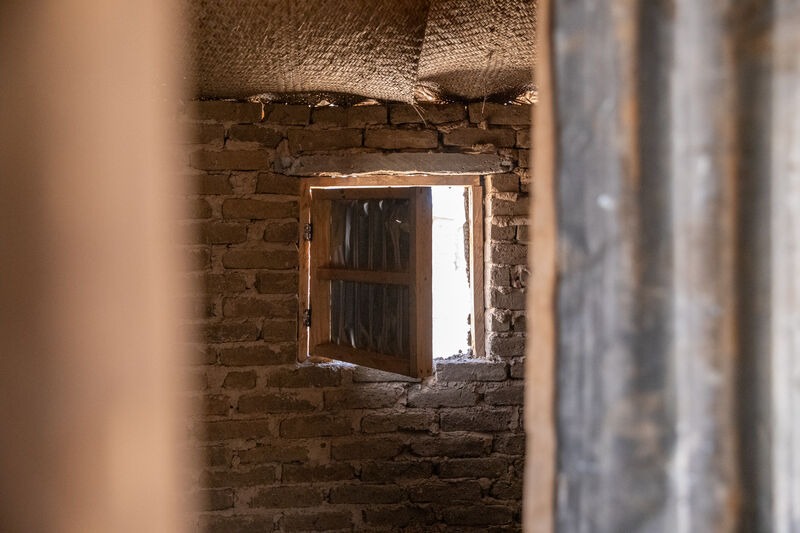
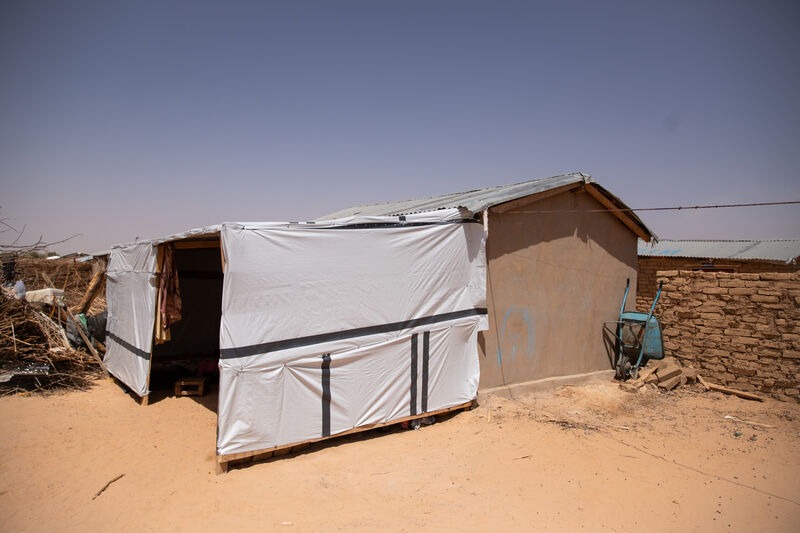
Today, Mona and her family live in a semi-durable mudbrick shelter, built with support from ShelterBox and Help-Tchad.
“I thank Help-Tchad and ShelterBox very much because thanks to them I now have a home.”
For Mona, the difference is immediate and profound.
“As a teacher, I can leave my files anywhere in the room because the house is safe. When I go out, I can close the door. Even if it rains, there are no raindrops inside. I am even protected from fire.”
When I saw the house, I was so happy. I didn’t believe I would have a house. Now I am protected from the rain, the wind, fires, and theft.
She hopes that others in the camp will soon have the same opportunity.
“I hope other people here will have their share too.”
Supporting women and girls
Mona is deeply committed to supporting her community, particularly women and girls who face difficult circumstances in the camp.
“There are problems that girls and women have here,” she explains. “Some girls say their situations are not stable, which is why they engage in these activities to find money and take care of their families.”
Alongside others, Mona is part of a group focused on awareness and support.
“We raise awareness because these kinds of activities are not good for human beings. Whatever the situation, we must be patient and hope that we will have a stable situation.”
Her message to other women is simple and heartfelt.
“My message to women is that they must be patient, because patience is very important in life.”
What home means
When Mona speaks about the future, she talks about access to materials, education, and support — especially for women.
“We are experienced women, but we lack support. If only we can find support, we will continue with our activities.”
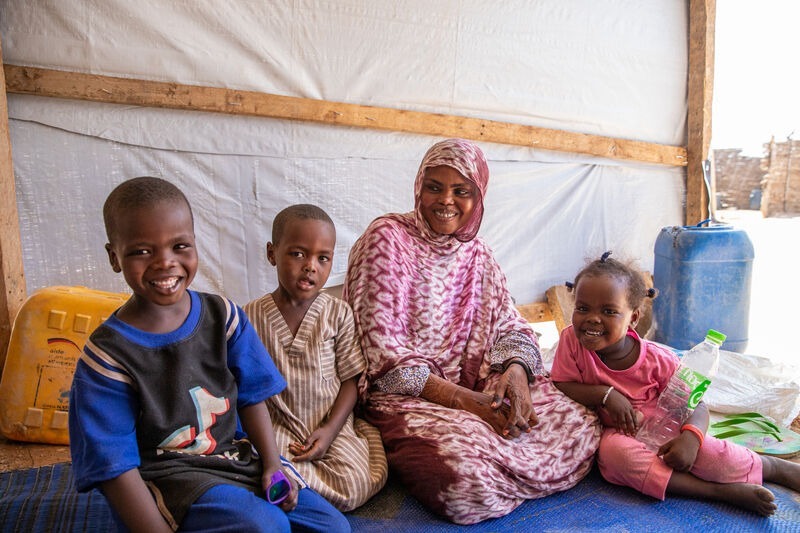
For Mona, home is the foundation of everything else.
Home means a lot to me. Everything starts with home: life, culture, protection.
“When we don’t have a home, all our lives and our secrets are outside.”
Chad
ShelterBox has supported over 20,000 people in Chad since the beginning of the Sudan conflict in April 2023. Now, in partnership with HELP Tchad we’re working to improve living conditions and support the recovery of thousands more families.
We are planning a further project to support people, focused on women and girls, set for 2026.
Together, we can protect and empower the most vulnerable as they navigate life on the frontlines of crisis.
Learn more about how we’re responding to the crisis and how you can help.
What's happening in Chad?